The King of Vegan Proteins

is reshaping modern nutrition

HYDROLYSATE

ORGANIC COCONUT
PROTEIN UPTO 80%

Engineered for clarity, performance and clean-label nutrition

Request Sample

Nutrition for


Every Stage of Life


ORGANIC COCONUT
PROTEIN UPTO 80%

From childhood to senior wellness- the clean protein supports all.

Request Sample

Better Than Whey
Where It Makes Matters Most

99%Digestibility

80%Acidic Solubility

VeganAllergen-Free

Organic Coconut
Protein UPTO 80%

Coco Whey Protein Sets a NEW Performance Standard

Request Sample

Organic Coconut Protein UPTO 80%

Pure Organic.
Allergen-Free.
Exceptionally Clean.

ORGANIC

ALLERGEN-FREE

EXCEPTIONALLY CLEAN

Request Sample
All Certifications and Quality Badges

INTRODUCING

Rosun Coconut Proteins

Rosun Hydrolysate Coconut Protein upto 80% delivers a rare balance of clean-label purity, functional stability, and complete amino-acid nutrition. Through precision enzymatic hydrolysis, Rosun transforms natural coconut presscake into a smooth, fast-absorbing protein with exceptional clarity, neutral taste, and formulation flexibility.

About Rosun Arrow

HYDROLYSATE

COCONUT
PROTEIN 80%

Versatile, mild hydrolysate for dairy alternatives, bakery and snacks.

Get Sample
Learn More arrow

HYDROLYSATE

COCONUT
PROTEIN 70%

Fast-absorbing clear hydrolysate for RTDs, hydration and performance drinks.

Get Sample
Learn More arrow

HYDROLYSATE

COCONUT
PROTEIN UPTO 80%

Fast-absorbing clear hydrolysate for RTDs, hydration and performance drinks.

Get Sample
Learn More arrow

HYDROLYSATE

COCONUT
PROTEIN 50%

Versatile, mild hydrolysate for dairy alternatives, bakery and snacks.

Get Sample
Learn More arrow

The Cleanest Label Wins.

Organic- Certified, Solvent-free, allergen-free and non GMO - everything clean-label buyers demand.

Organic

Organic

Solvent-Free

Solvent-Free

Allergen-Free

Allergen-Free

Non GMO

Non GMO

Rosun Hydrolysate Coconut Protein is produced through a precise, solvent-free process that preserves purity at every step. Sourced responsibly and processed gently, it meets the highest global standards for clean-label nutrition while supporting modern product development requirements.

Family

We Develop The Products
Today’s Consumers Want


Acidic Beverages & RTDs

Clear whey equivalent clarity and solubility at low pH.

Dairy Alternatives

Adds protein while supporting creaminess and stability.

Sports & Clinical Nutrition

Fast digesting with whey-like BCAA profile for functional nutrition.

Plant-Based Meat

Binds moisture and improves bite without allergens or off-notes.

Better than Pea.
Cleaner than Soy.
Smoother than Rice.

Rosun Hydrolysate Coconut Protein delivers a premium sensory and functional profile unmatched by traditional plant proteins — giving formulators the clarity, taste, and purity needed to create next-generation beverages and nutrition systems.

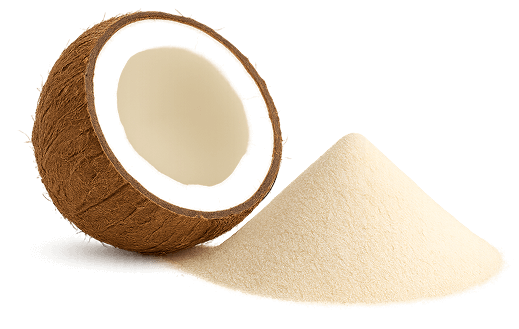
coconut and powder

Pea, soy, and rice proteins each bring well-known formulation challenges: beany off-notes, solvent extraction concerns, grainy mouthfeel, and poor acidic solubility. Rosun Coconut Hydrolysate overcomes all of them with a neutral sensory profile, clean-label processing, and exceptional clarity at low pH. The result is a protein that performs beautifully in applications where other plant proteins fall short.

coconut tree

Coconut Hydrolysate sets a new sensory and functional standard – clear, smooth and cleanable by design.

BETTER THAN
PEA PROTEIN

Pea Protein Struggles with:

  • Beany or earthy taste
  • Chalky texture
  • Poor low-pH solubility

CLEANER THAN
SOY PROTEIN

Soy Protein concerns include:

  • Frequent solvent extraction
  • Strong beany notes
  • Allergen labeling
  • Medium stability in beverages

SMOOTHER THAN
RICE PROTEIN

Rice protein is known for:

  • Grainy, sandy mouthfeel
  • Poor solubility in beverages
  • Incomplete amino acid balance

Rosun – Where Better Protein Begins

Trusted Coconut Protein Powder Manufacturer for Global Food & Nutrition Brands

Rosun Protein Powder
Smile Icon

If your team keeps fighting beany notes or chalky textures.

Science Icon

If low-pH beverages separate, cloud, or fail stability tests.

Cost Icon

If masking agents and stabilizers inflate your ingredient cost.

Allergen Free Icon

If allergen restrictions or solvent extraction limit your market.

Flexibility Icon

If your protein can't flex across beverages, dairy alternatives, sports, snacks, and clinical nutrition.

Innovation Icon

If your next launch must stand apart from the pea-soy-rice crowd.

Frequently Asked Questions

Coconut protein is a plant-based protein ingredient derived from coconut meat or coconut processing streams, designed for use in food, beverage, and nutraceutical formulations.

Typical coconut protein specifications vary depending on the processing method and product grade. Protein levels generally range from 50%, 60%, 70%, and 80% offering flexibility for different nutritional applications. The fiber content is moderate to high, contributing to digestive support, while fat levels remain low to moderate, ensuring a balanced nutritional profile. These values highlight the versatility of coconut protein, though exact specifications depend on the production process and intended use.

Our contract manufacturing services are designed to support industrial partners with flexible, end-to-end solutions. These capabilities include OEM manufacturing, private label production, and custom formulations

Coconut protein has moderate dispersibility and works best in:
• Protein blends
• Smoothies
• Powder mixes
• Ready-to-drink beverages

Coconut protein is used across several industries because of its clean-label, plant-based profile and versatile functionality. In the food industry, it is incorporated into bakery products, nutrition bars, plant-based meat alternatives, dairy substitutes, and functional beverages, where it adds protein and improves texture. The nutraceutical sector relies on coconut protein for supplements, gut health powders, detox blends, and weight management formulations, making it a trusted ingredient for health-focused products. It is also widely adopted in sports nutrition, where it serves as a vegan alternative to whey or soy in protein bars, shakes, and recovery formulas. Additionally, vegan food manufacturers and functional beverage companies use coconut protein to meet consumer demand for sustainable, allergen-friendly, and non-GMO options.

Yes — coconut protein can absolutely be used in sports nutrition products, and it is increasingly popular as a plantbased alternative to traditional proteins like whey or soy. Its protein content, which can range from 18% to 60% depending on processing, makes it suitable for formulating protein powders, recovery shakes, and nutrition bars. Because it has a neutral taste and odor, it blends seamlessly into beverages and functional foods without altering flavor profiles. In addition, its cleanlabel attributes — being vegan, nonGMO, glutenfree, and naturally derived — align well with consumer demand for sustainable and allergenfriendly sports nutrition options.

This combination of nutritional value, versatility, and market appeal positions coconut protein as a strong ingredient for performance, endurance, and recovery formulations in the sports nutrition industry.

Yes — coconut protein can be used in children’s nutrition products, but with careful formulation and regulatory compliance. Its cleanlabel attributes (plantbased, naturally derived, glutenfree, vegan, and nonGMO) make it appealing for parents seeking wholesome, allergenfriendly options. Nutritionally, coconut protein provides a flexible protein range (18–60% depending on processing) along with moderate fiber, which can support balanced diets. Its neutral taste and odor also make it easy to incorporate into products like fortified beverages, snack bars, and dairy alternatives without affecting flavor.

That said, children’s nutrition products are subject to strict regional regulations, especially regarding protein sources, health claims, and agespecific dietary needs. Manufacturers must ensure that formulations meet safety standards and provide appropriate nutrient levels for growth and development.

Typical export documents:
• Certificate of Analysis (COA)
• Technical Data Sheet (TDS)
• MSDS
• Certificate of Origin
• Packing List
• Commercial Invoice

Coconut protein is used in a wide range of industries thanks to its cleanlabel, plantbased profile and versatile nutritional properties. In the food industry, it is incorporated into bakery products, nutrition bars, plantbased meat alternatives, dairy substitutes, and functional beverages, where it enhances texture and boosts protein content. The nutraceutical sector employs coconut protein in supplements, gut health powders, detox blends, and weight management formulations, making it a trusted ingredient for healthfocused products. It is also widely adopted in sports nutrition, serving as a vegan alternative to whey or soy in protein powders, recovery shakes, and endurance bars. Additionally, vegan food manufacturers and functional beverage companies use coconut protein to meet consumer demand for sustainable, allergenfriendly, and nonGMO options.

It can partially replace whey in:
• plant-based protein beverages
• vegan sports nutrition
• dairy-free functional foods.

Yes. Typical coconut protein may contain about 18% BCAA amino acids including leucine, isoleucine, and valine. (Rosun Coconut Protein)

Yes — coconut protein can be blended with other plant proteins, and in fact this is a common strategy in product formulation. While coconut protein provides a cleanlabel, allergenfriendly source of nutrition with a protein range of 18–60%, its amino acid profile may not be as complete as animalbased proteins like whey. By combining it with complementary plant proteins such as pea, rice, or soy, manufacturers can achieve a more balanced amino acid spectrum that supports muscle growth, recovery, and overall nutrition.

Blending also enhances functionality: coconut protein’s neutral taste and odor make it easy to pair with other proteins without altering flavor, while its fiber content and waterholding capacity improve texture and stability in foods and beverages. This makes it ideal for protein powders, nutrition bars, dairy alternatives, and functional drinks that aim to deliver both performance and cleanlabel appeal.

Yes. Companies typically appoint regional distributors for bulk ingredient supply.

GLOBAL REACH

Ready to bring the future of clean coconut protein to your formulations?

24/7 Support

Technical and
Customer Support

Within 4 Hours Get Price
Quote & Tech Dossier

Thank you for your enquiry! We will get back to you soon.